Gum disease, also known as periodontal disease, is a progressive condition that affects the tissues supporting your teeth, ranging from mild gingivitis to severe periodontitis. The disease begins when plaque, a sticky film of bacteria, accumulates on your teeth and gums, causing inflammation and bleeding. If left untreated, this condition can advance to destroy the bone and connective tissues holding your teeth in place, potentially leading to tooth loss. Understanding the different stages of gum disease is crucial because treatment options vary significantly depending on severity, with early intervention offering the best outcomes for reversing damage and preventing progression to more serious stages.
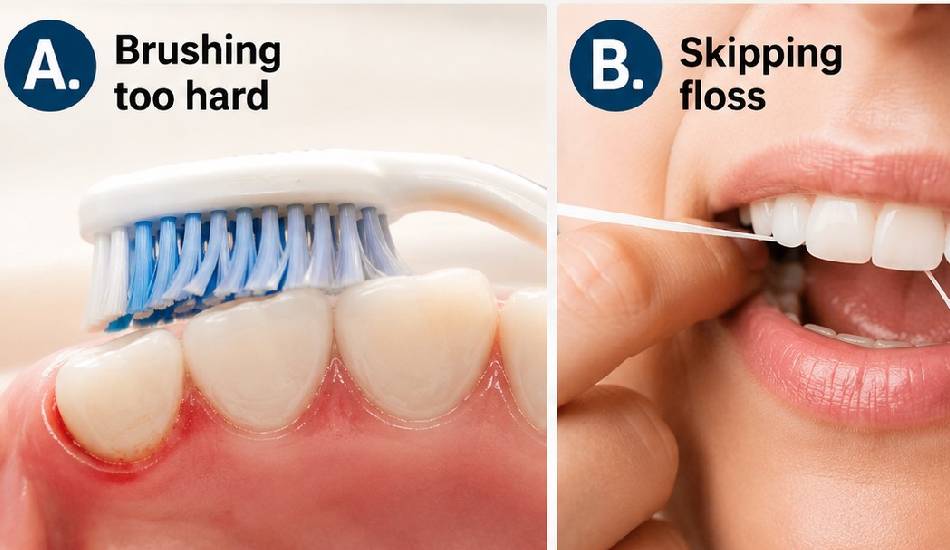
The first line of defense against gum disease is proper home care, which forms the foundation of all treatment strategies regardless of disease severity. This includes brushing your teeth twice daily with a soft-bristled toothbrush using gentle, circular motions to avoid further gum damage, flossing daily to remove debris and plaque between teeth where your toothbrush cannot reach, and using an antimicrobial mouthwash recommended by your dentist to reduce bacterial growth. Many people don't realize that consistent home care can actually reverse mild gingivitis within weeks, as improved oral hygiene reduces inflammation and allows gums to heal naturally. Additionally, maintaining a healthy diet rich in vitamins and minerals, avoiding tobacco products, managing stress, and staying hydrated all support gum health and enhance your body's ability to fight infection and inflammation naturally.
When home care alone is insufficient to control gum disease, professional intervention becomes necessary, with scaling and root planning being one of the most effective non-surgical treatments available. During scaling, your dentist uses specialized instruments to carefully remove tartar and plaque from above and below the gumline, while root planning smooths the tooth roots to eliminate bacterial toxins and create a clean surface for gum tissue to reattach. This procedure typically requires multiple appointments and may involve local anesthesia to ensure comfort, with some patients needing separate sessions for different areas of the mouth depending on disease extent. Studies show that scaling and root planning can significantly reduce gum pocket depth, stop disease progression, and in many cases allow gums to reattach to teeth, making it an excellent option for moderate gum disease when caught early enough before significant bone loss occurs.
For moderate gum disease cases, dentists often prescribe antimicrobial rinses and antibiotic treatments to control bacterial infection and reduce inflammation more effectively than home care alone. Chlorhexidine and hydrogen peroxide mouth rinses kill bacteria and reduce the bacterial load in your mouth, while some dentists place antibiotic gels or microspheres directly into gum pockets to deliver medication where it's needed most, providing concentrated treatment that oral antibiotics cannot achieve. Systemic antibiotics taken by mouth may be prescribed in cases of aggressive periodontitis or when bacterial infection is spreading, helping to control infection systemically while local treatments address the gums. These antimicrobial approaches work best when combined with scaling and root planning, as they eliminate bacteria while the mechanical cleaning removes the biofilm and tartar providing a home for those bacteria to multiply.
Modern dentistry offers advanced non-surgical options that provide effective gum disease treatment with faster recovery and less discomfort than traditional surgery. Laser therapy uses focused light energy to remove diseased tissue, kill bacteria deep within gum pockets, and stimulate the body's natural healing response, resulting in less bleeding, reduced postoperative pain, and faster tissue regeneration compared to conventional scaling and root planing. Photodynamic therapy combines a light-activated dye with laser treatment to target bacteria more precisely, while periodontal ultrasonic instruments gently vibrate away deposits without damaging healthy tissue. These newer technologies appeal to patients seeking less invasive options and often result in quicker recovery times, though they may not be suitable for all cases of gum disease and are sometimes more expensive than traditional treatments.
When conservative treatments fail to stop disease progression or significant bone loss has already occurred, surgical intervention becomes necessary to save remaining teeth and restore gum health. Flap surgery involves lifting back the gum tissue to access the roots and underlying bone, allowing the dentist to remove tartar and diseased tissue more thoroughly while also reshaping damaged bone to improve the tooth's support and reduce gum pocket depth. Bone grafting uses synthetic materials, your own bone harvested from elsewhere, or donor bone to regenerate lost bone structure around affected teeth, helping to stabilize teeth and potentially restore enough bone to support implants if teeth are eventually lost. Soft tissue grafts address severe gum recession by taking healthy gum tissue from the roof of your mouth and attaching it to areas where gums have pulled away, improving both function and appearance while reducing sensitivity in exposed root surfaces.
Following any gum disease treatment, whether non-surgical or surgical, periodontal maintenance becomes essential for preventing disease recurrence and maintaining treatment results achieved through intensive therapy. Unlike standard dental cleanings every six months, patients with a history of gum disease require professional cleanings every three to four months to prevent bacterial recolonization and keep inflammation controlled. During these maintenance appointments, your dentist carefully monitors gum pocket depth, checks for signs of disease recurrence, and removes any plaque or tartar buildup before it can cause problems. Compliance with this maintenance schedule is critical, as studies show that patients who skip maintenance appointments experience rapid disease recurrence and continued bone loss, while those who attend regularly maintain stable gum health for decades.